
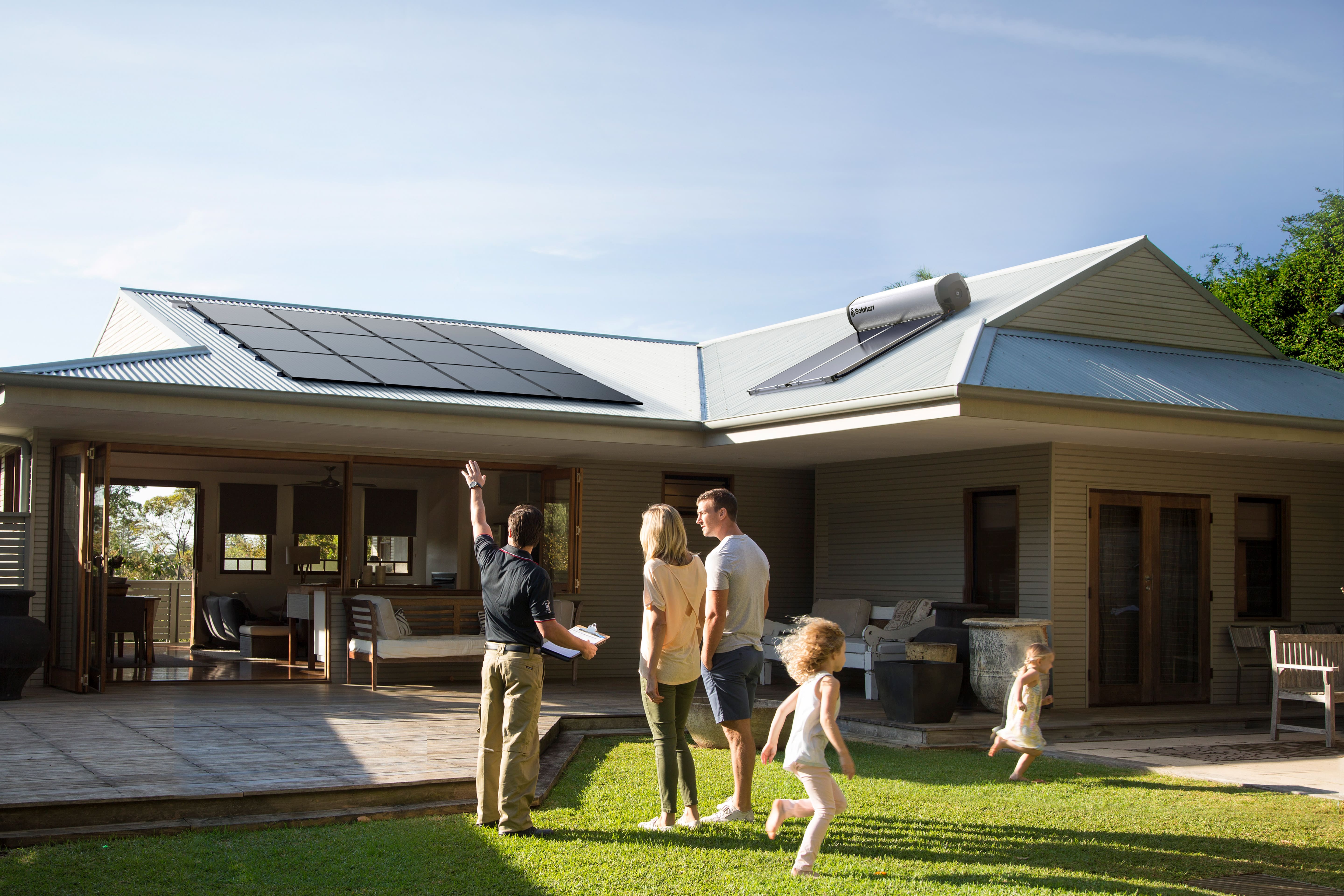
As the autumn season settles in across Australia, many homeowners start noticing something unwelcome on their energy bills, higher costs. The combination of shorter days, cooler temperatures, and increased indoor heating creates a perfect storm for rising electricity consumption. If you're wondering whether solar panels can still help during these darker months, the answer might surprise you. Let's explore how solar technology continues to work for your household even as the seasons change.
Why Do Energy Bills Rise in Autumn?
Autumn brings several factors that push energy consumption upward. As daylight hours decrease, most households rely more heavily on artificial lighting throughout the day. Many Australian homes also begin using heaters and other heating appliances as temperatures drop, particularly in southern states. This increased usage happens right when people assume solar panels become less effective, creating a misconception that autumn isn't a good time for solar energy.
However, Australia's sunny climate means we still receive substantial sunlight throughout autumn. Even with shorter days, most regions experience enough daylight to make solar panels a worthwhile investment. The real question is how to maximize this resource during the transition season.
Solar Panels Still Perform Well in Autumn
One of the biggest myths about solar energy is that it only works during summer. In reality, solar panels generate electricity throughout autumn, even on cooler days. Many people are surprised to learn that solar panels actually perform more efficiently in cooler temperatures than in extreme summer heat. Autumn weather, with milder temperatures and often clearer skies, can provide ideal conditions for solar panel operation.
While you'll generate less power per hour compared to summer months, a properly installed solar system can still offset a meaningful portion of your autumn electricity consumption. The key is understanding your household's specific usage patterns and designing a system that addresses your actual needs rather than making assumptions about seasonal performance.
Understanding Your Autumn Energy Usage Patterns
Before considering solar panels, it helps to examine how your household uses energy during autumn. Are you running heating systems in the evening? Do certain rooms require more lighting? Are you using appliances differently than during summer months? These questions matter because they determine what size solar system might suit your home best.
Many households find their peak electricity usage occurs in early morning and evening hours, when sunlight is limited. This is where energy storage solutions become valuable. Pairing solar panels with a battery system allows you to store solar energy generated during daylight hours and use it during peak evening demand. This approach can significantly improve the financial benefit of going solar, even during seasons when daylight is shorter.
Combining Solar With Smart Energy Management
While solar panels generate electricity, how you use that power matters just as much. Simple habits can stretch your autumn solar benefits further. Running dishwashers, washing machines, and other appliances during daylight hours when your panels are generating power maximizes self-consumption. Setting thermostats a few degrees lower and using draught stoppers around doors reduces heating demands. Using LED lighting throughout your home cuts artificial lighting costs substantially.
These strategies work hand in hand with solar technology. Your panels do the heavy lifting by generating free electricity, but combining them with smart usage habits amplifies the overall effect on your energy bills. Many homeowners find this combination approach delivers the results they hoped for when investing in solar.
Getting the Right System for Your Needs
Not every solar installation is identical. A system designed for a large home with multiple heating zones and consistent electricity usage will differ significantly from one sized for a smaller household. Your specific location matters too, as different regions across Australia receive varying amounts of autumn sunlight. A Sydney home might see different results than a Melbourne or Brisbane property.
Working with an experienced solar provider helps ensure your system matches your actual needs. They can assess your location, examine your historical energy consumption, discuss your future plans, and recommend an appropriately sized installation. This personalised approach produces better outcomes than generic one-size-fits-all solutions.
Making the Autumn Decision
Autumn is actually an excellent time to consider solar panels. You're actively feeling the impact of rising energy bills, which makes the need concrete. You have time to plan an installation before summer when systems are often busier. Plus, you'll be ready to maximize solar generation during the following spring and summer months after your system is up and running.
As Australian households face increasing electricity costs year-round, solar panels represent a practical way to take control of your energy future. While autumn days are shorter, Australia's abundant sunshine still powers homes effectively during this season.
If rising autumn energy bills have caught your attention, there's no better time to explore whether solar panels could work for your home. Every household's situation is unique, and understanding your specific potential is the first step.
Energy savings vary depending on household usage and location.
Ready to Learn More?
Curious about how solar could impact your autumn energy bills? Get in touch with Solahart today for a free, no-obligation solar quote tailored to your home and location. Our experienced team will assess your property and discuss options that make sense for your household. Contact us now to start your solar journey and take control of your energy costs.
